Can I teach my kids to speak Chinese if I’m not fluent? (Yes, here’s how)
If you’ve ever wondered, “Can I really teach my kids Chinese if I don’t speak it fluently?”, you’re not alone.
Maybe you’ve tried before… reading Chinese books, watching Chinese kids shows, listening to Chinese music, using flash cards.
But nothing really stuck, and you’re left thinking, “Am I doing this wrong?”
I’ve been there too.
None of these tools worked for me either.
I spent 10 years at Saturday Chinese school - memorising vocabulary, learning to read and write, doing all the “right” things, but still couldn’t actually speak Chinese. So I knew this wasn’t the path I wanted for my kids.
And approaches like One Parent One Language (OPOL)? They can work well for fluent families, but not for non-fluent parents - OPOL can feel overwhelming or simply not doable.
So I started figuring out a different way. Not for fluent speakers, but for parents learning Chinese alongside their kids.
If that’s you, a non-fluent parent who wants your kids to actually speak Chinese (not just know a few random words), this post will show you a simple, realistic way to start - just one sentence at a time.
Can I teach my kids to speak Chinese if I’m not fluent? (Yes, here’s how)
Learn and speak Chinese alongside your kids
Focus on one sentence at a time
Pick everyday Chinese sentences your family will actually use
Build real conversations with related sentences
Use sentences in real life to make them stick
Be consistent (this is what actually makes it work)
What this looks like in real life
Focus on speaking if you want your kids to speak Chinese
Learn and speak Chinese alongside your kids
You don’t have to “get fluent first” before you start teaching your kids Chinese. You can learn with them.
You don’t need to be ahead of your kids.
You don’t need to already speak Chinese.
And you definitely don’t need to wait until you “feel ready” (because that day probably won’t come).
You also don’t need to follow strict methods like One Parent One Language (OPOL). That approach can work well for fluent parents, but if you’re not fluent, it can feel like way too much pressure, which it did for me.
Instead, think of this as something you and your kids are doing together, figuring it out as you go.
If you want a really easy place to start, you can jump straight in with a free Yum Cha Ninja Speak Chinese Kit - it’s designed for non-fluent parents learning alongside their kids.

Focus on one sentence at a time

Here’s the shift that makes everything click:
You don’t need to teach your kids Chinese.
You just need to use one sentence at a time.
That’s it. Not perfect Chinese. Just usable Chinese.
A lot of us start with vocabulary lists - colours, animals, numbers.
But you can know 100 words and still not be able to say anything. That’s why it feels so frustrating.
Real conversations aren’t built from random words. They’re built from sentences.
Kids don’t say: “Red. Dog. Three.”
They say things like, “I want ice cream” or “It wasn’t me.”
I found when you focus on sentences, you can speak straight away. No need to study for months first.
Once we switched to short everyday sentences, we actually started using Chinese. We could actually understand it, repeat it and use it in real life.
You also start picking up word order, grammar and vocabulary naturally, as you need it.
And the best part? It’s doable.
Even when you’re busy, you can squeeze in one sentence.
No pressure. No overwhelm. Just small, repeatable moments.
Pick everyday Chinese sentences your family will actually use
Focus on learning Chinese you’ll actually use with your kids.
Not random poems.
Not textbook phrases you’ll never say at home.
Those things can be interesting, and they can offer cultural insight, but they won’t help you hold an everyday conversation.
I learned this the hard way.
I spent 10 years in Chinese Saturday school and topped my class through rote learning… but I still couldn’t hold a real conversation.
So I understand how frustrating it feels to “learn Chinese”, but not actually be able to use it.
What changed wasn’t more study.
It was shifting to everyday spoken sentences - the ones I would actually use in real life.
That’s what makes the difference.
If you can say it at home, you’ll actually use it.
Build real conversations with related sentences
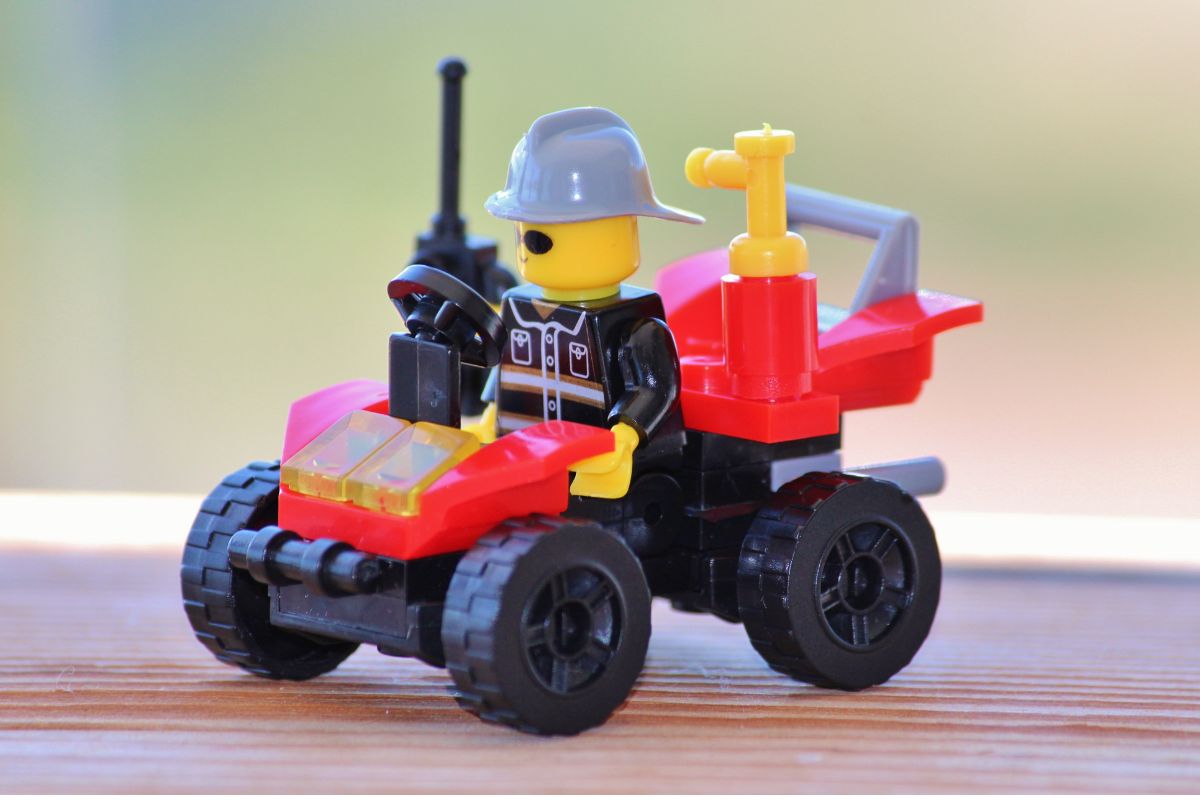
Think of sentences like Lego blocks.
You start with one sentence. Then another. Then another.
Each sentence is a block you can use. And as you add more, they start to connect, just like building a Lego set.
Start with one everyday topic, like breakfast. One sentence becomes a few, and before you know it, you can have a simple conversation about breakfast.
Then you move to another “Lego set” - getting dressed, bedtime, leaving the house.
Keep adding more, and those small blocks build into something much bigger - the ability to speak Chinese throughout your day.
Trying to do too much at once doesn’t work.
But one sentence at a time? That does.
Use sentences in real life to make them stick

The key isn’t memorising words, it’s using what you learn in real life moments.
Even if you don’t remember a sentence perfectly, that’s ok. Just knowing “this is a sentence I learnt” is a great start. You can look it up, listen to the audio, read the pinyin, and try again. What matters most is context.
Use your sentences naturally during everyday routines:
Breakfast → “What do you want for breakfast?”
Leaving the house → “Put on your shoes.”
Bedtime → “Good night.”
These repeated, meaningful moments help your brain connect language to real situations, which makes it easier to remember.
Compare:
Word: 早餐 (zǎo cān, breakfast) → easy to forget as it’s just a word.
Sentence: 你早餐想吃什么? (nǐ zǎo cān xiǎng chī shén me?, What do you want for breakfast?) → easier to recall, as a sentence you actually say everyday, the night before or in the morning, so you know what to make your kids for breakfast.
Context and real connection are what turn sentences into memory, and into usable language.
Be consistent (this is what actually makes it work)
Real-life moments are repetitive, predictable, and easy to practise daily.
And that’s exactly why this approach works so well.
You’re not trying to create new situations to practise Chinese.
You’re using the same everyday moments that already happen, again and again.
Breakfast. Getting dressed. Bedtime. Leaving the house.
These moments repeat every single day, which means your sentences do too.
So keep using the sentences you learn in these real-life situations.
And just as importantly, review them - come back to them again and again.
You don’t need to do more.
You just need to keep showing up.
Because consistency beats intensity every time.
A few sentences used daily will take you further than a long study session you never repeat.
If you’re thinking, “This sounds great, but I wouldn’t know where to start,” that’s exactly why I created the Yum Cha Ninja Speak Chinese Kits.
They walk you through simple, everyday sentences you actually use with your kids - with audio, so you can hear and say them with confidence.
👉 You can start with a free Speak Chinese Kit here.
What this looks like in real life
I picked one sentence: “Take off your shoes” - 脱鞋 (tuō xié).
Then I used it everyday with my 2 year old after daycare, while I took off his shoes and emptied all the sand from the daycare sandpit.
I’d say it in Chinese, English and Chinese, to help him understand.
Same moment. Same sentence. Every day.
At first, he didn’t say anything.
Then, when I said it, he started helping, taking his shoes off while I emptied the sand. This indicated he understood, so I dropped the English.
Next, he started repeating it in Chinese, 脱鞋 (tuō xié), straight after I said it.
After about two weeks, something clicked. One day when we got home, he said it first: 脱鞋 (tuō xié).
No prompting.
That’s how it builds.
They start to:
Understand and respond to it
Repeat it
And eventually… say it on their own.
That’s how speaking develops naturally.
It’s exactly how kids learn English (or their first language).
Not through vocabulary lists, but through repeated, everyday moments.
Focus on speaking if you want your kids to speak Chinese

If your goal is for your kids to speak Chinese, you need to focus on speaking.
A lot of things feel productive. I tried these “right” things too, like:
Reading Chinese book with my kids
watching Chinese TV shows
listening to Chinese music
and using vocabulary flash cards.
I also went to Saturday Chinese school for 10 years. I learnt to read and write a little, and memorised everything for weekly tests, I even topped my class. But I’d forget most of it straight after, and start again the next week.
After all this, we still couldn’t really understand or speak Chinese.
Because we weren’t using it.
That’s the missing piece. Your kids need to understand and use what they’re hearing, not just hear more Chinese.
That’s why random input, like TV shows or books, often don’t work for non-fluent families. It’s too much, too fast, and not connected to real life. For fluent families, it works because the kids already understand from everyday conversations.
Speaking is a skill. And like any skill, it needs practice. It’s like swimming, you don’t learn by just watching or memorising the strokes. You have to actually get in the water and swim.
So keep it simple: use the sentences you learn in real life.
That’s what turns “learning Chinese” into actually speaking it.
Say it anyway (even if your pronunciation isn’t perfect)
A lot of parents get stuck here.
“Am I saying it right?”
“What if my tones are wrong?”
So they don’t start.
But your child doesn’t need perfect pronunciation.
They need exposure - to hear the sounds, rhythm, and the repetition.
And most importantly, you just need to start speaking.
You’re not going to say it perfectly at the beginning. That’s normal.
Correct pronunciation takes time. It comes from hearing it, repeating it, and using it in real life.
So keep it simple: listen to the audio, read the pinyin, say it out loud, then use it.
And one important thing: try not to correct yourself or your kids. That’s when it starts to feel hard.
Think about how kids learn to talk. They say “dada” before “dad”, and over time, it clicks.
It’s the same for Chinese.
I learned this the hard way too. I kept correcting my English-speaking husband when he was learning Chinese, and he ended up feeling like it was too hard. Looking back, I’d just let him say it, because the ear for it comes first, then the pronunciation. This is the approach I take with my kids now.
So don’t aim for perfection.
Just say it.
Want to easily speak Chinese with your kids?
Ever thought: “I wish someone would just tell me what to say…”?
The Yum Cha Ninja Speak Chinese Kits do exactly that:
Everyday sentences your family will actually use.
Audio and pinyin, so you know exactly how it sounds and how to say it.
A handy Sentence Cheat Sheet, so you’ve got an easy reference on hand.
A fun story eBook, so learning Chinese becomes a natural part of storytime.
No fluency needed. No perfection required.
Just say it, use it, and watch your kids start speaking too.


